Chris Olson based in Apex, NC
I am a visual and product designer with 20+ years of experience crafting digital experiences, design systems, and brands that connect with people.
I solve complex problems through simple, thoughtful design.
Advancing Possibilities Through Visual Design
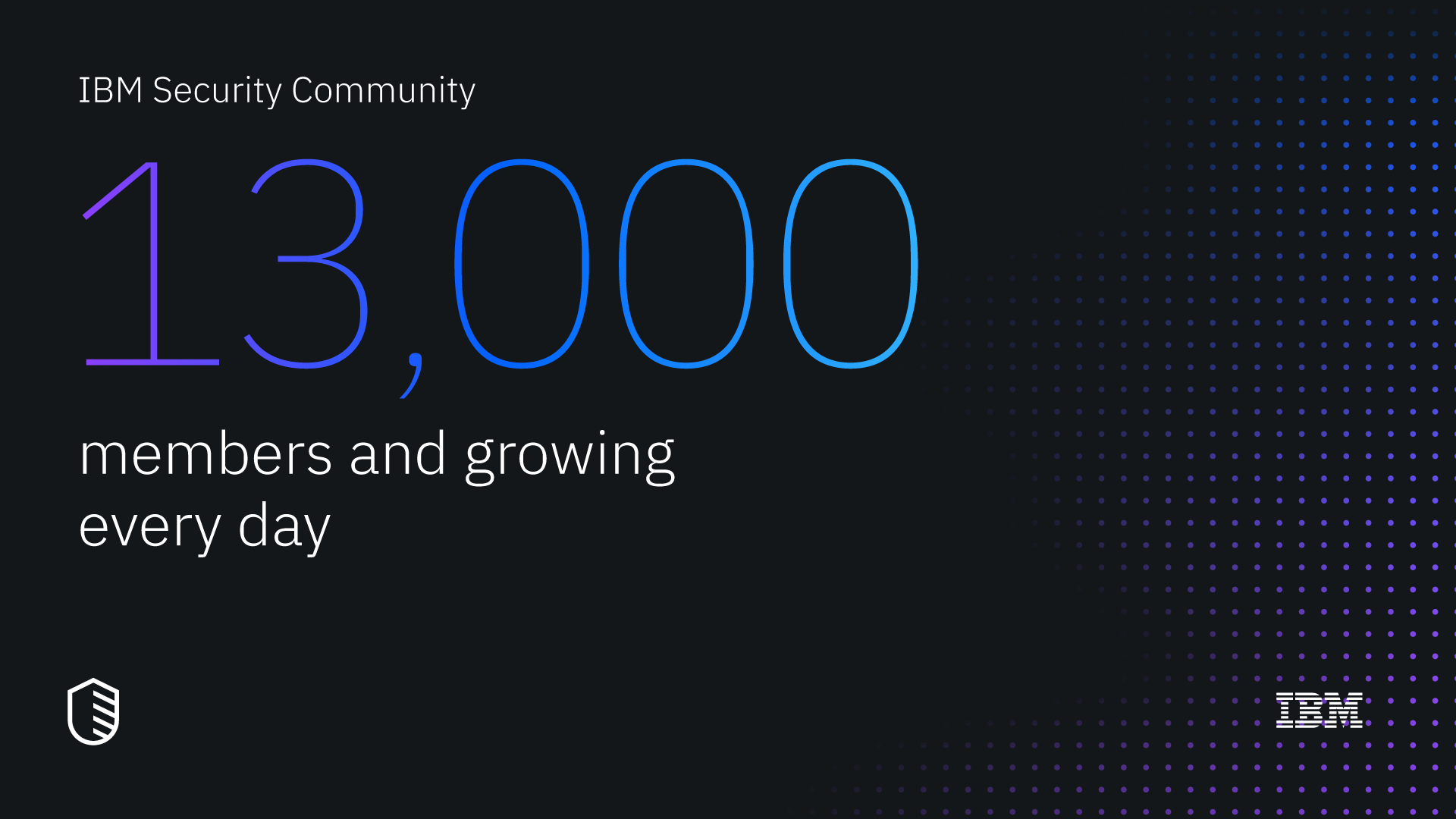
IBM Security
Website Leadspace Hero
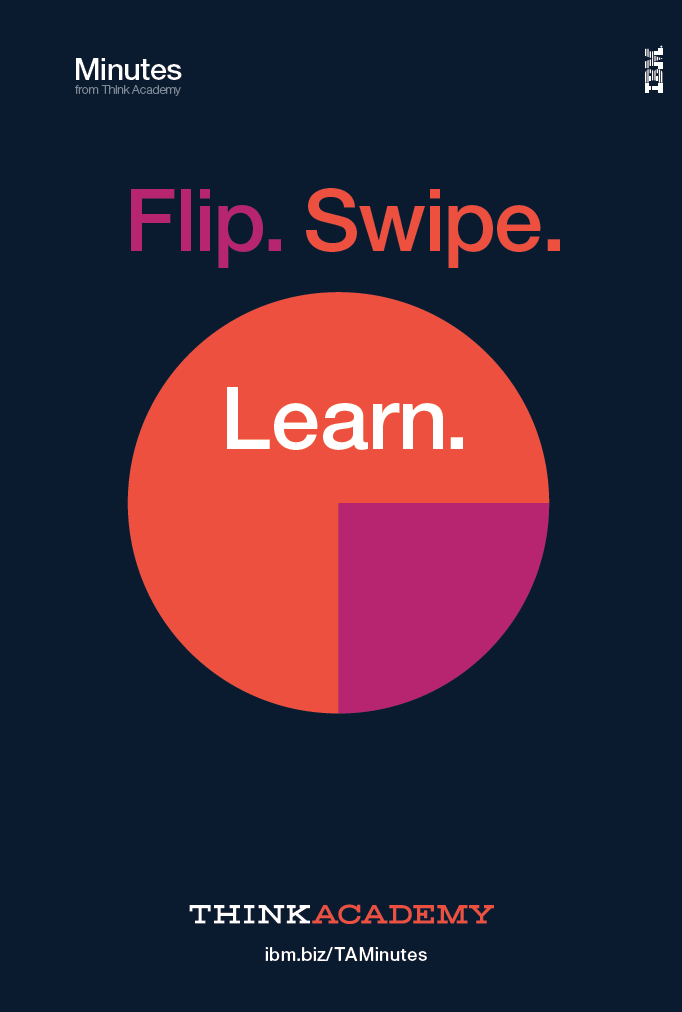
IBM Think Academy
Promotional poster for ibm.com
Selected as the lead designer for the initial integration of Apptio into IBM following IBM's
$4.6 billion acquisition. Spearheaded the migration of key web experiences to ibm.com, creating animated leadspaces, custom line illustrations, and IBM brand-compliant AEM components that aligned Apptio's digital presence with IBM's design system and user experience standards.
RESULT:
Delivered a seamless transition to ibm.com
while preserving critical content, functionality, and user workflows. Successfully unified the user experience under the IBM design language, strengthening brand consistency and ensuring that both existing and prospective clients experienced a cohesive, high-quality journey.
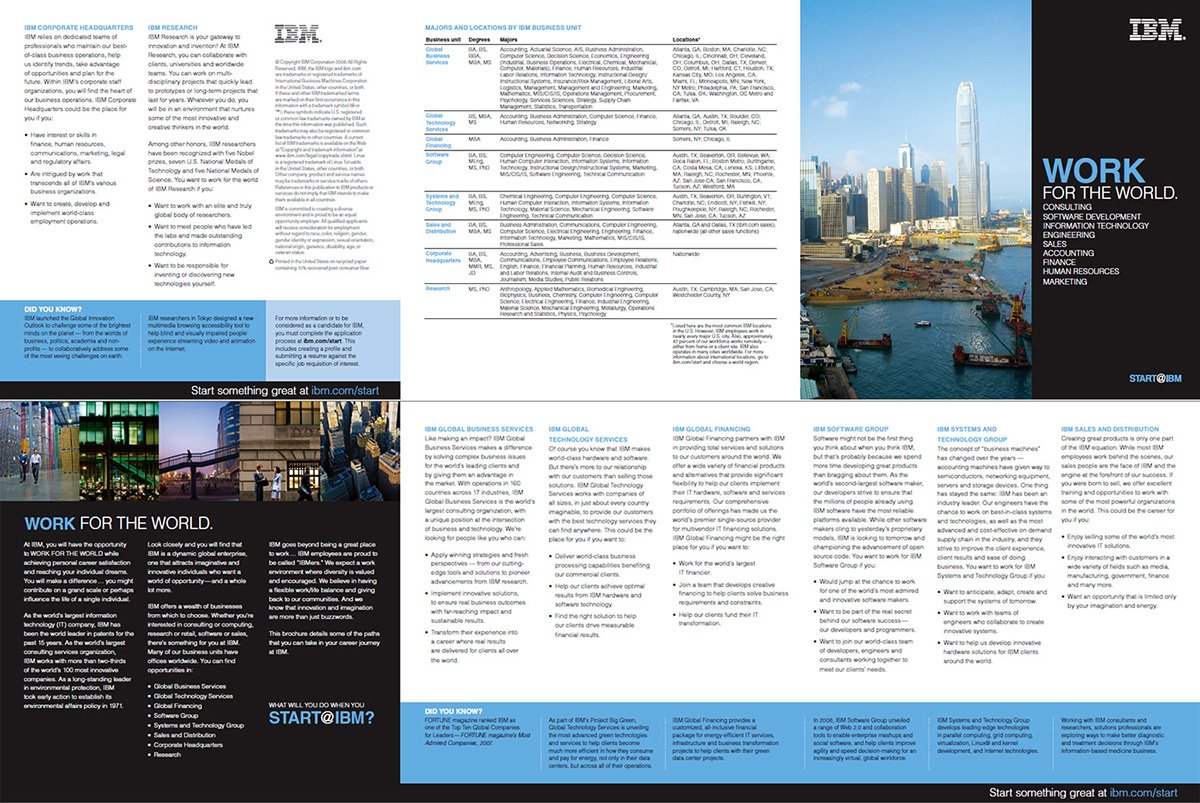
IBM START
Print collateral
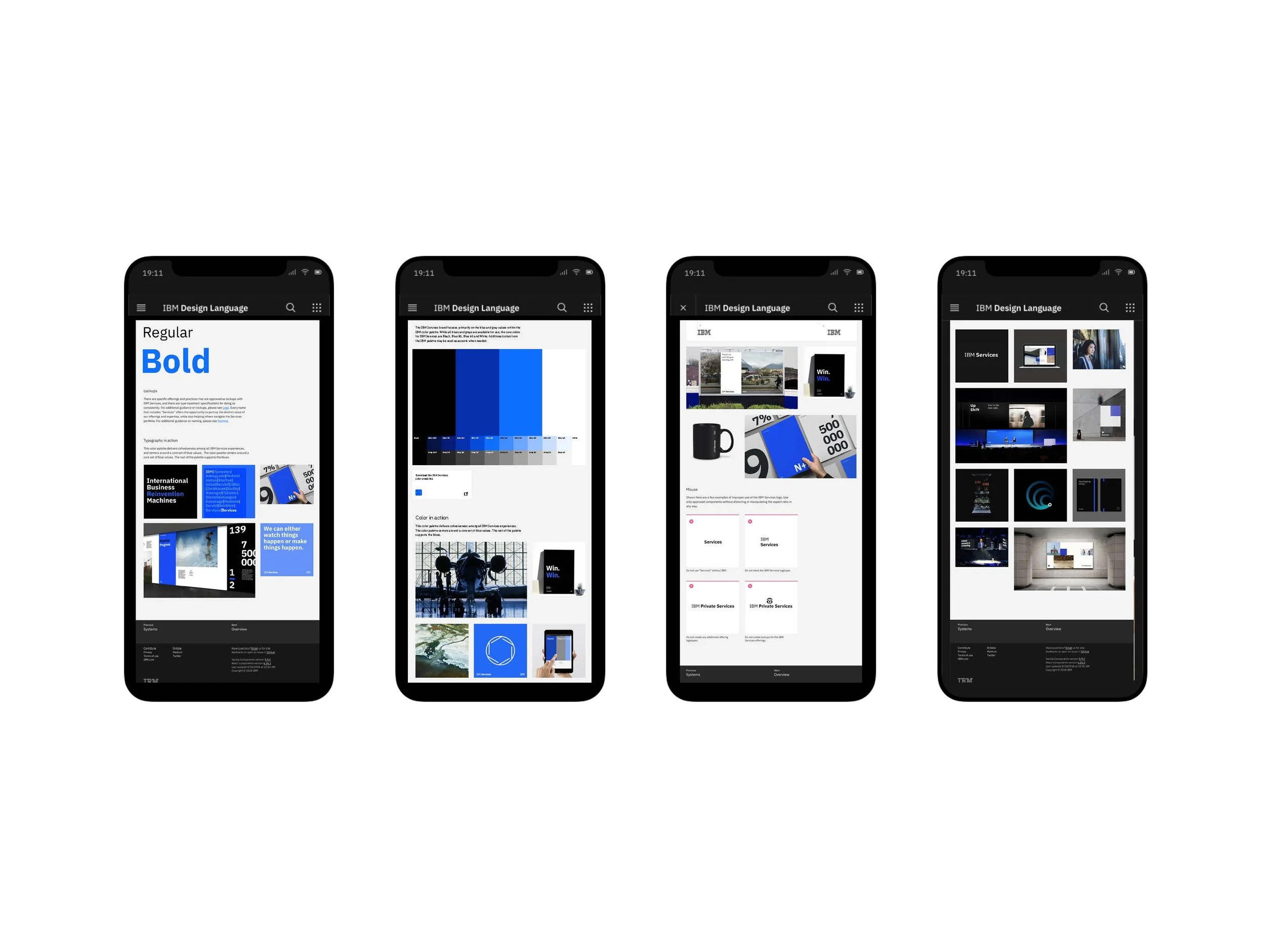
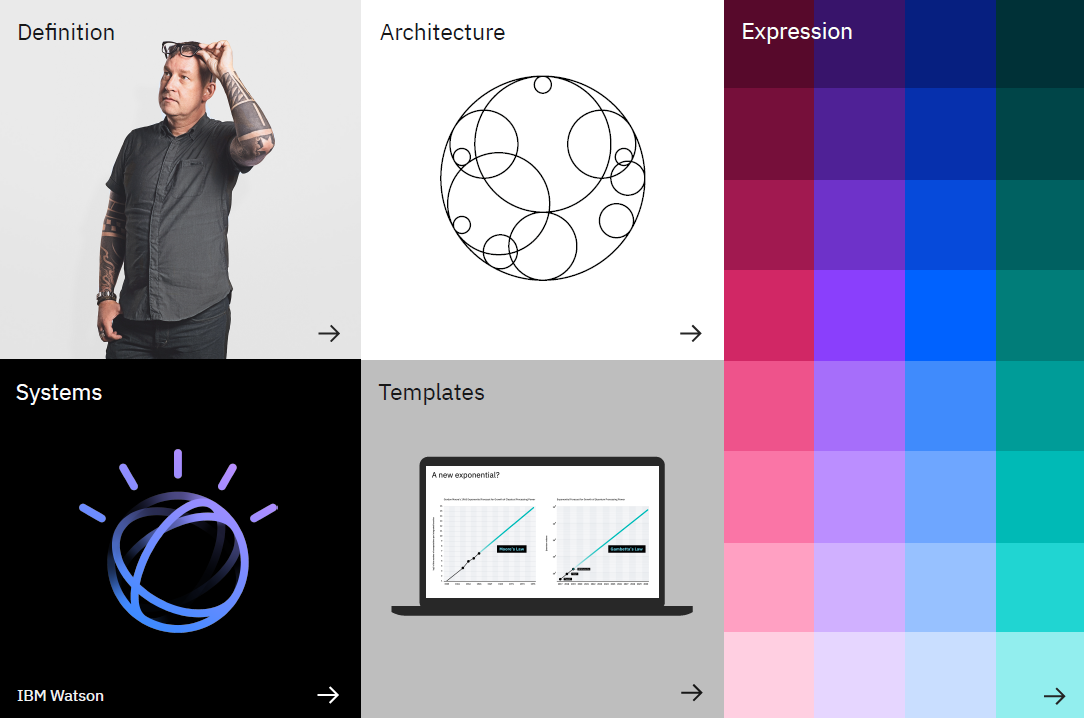
Involved with the IBM Brand Center team
to conceptualize, design, and deliver a comprehensive suite of visual elements,
brand guidelines, creative assets, and instructional resources supporting IBM Services. Collaborated across multidisciplinary teams
to ensure visual consistency, strengthen
brand recognition, and enable designers and practitioners to effectively apply IBM Services branding across client-facing communications and worldwide digital experiences.
RESULT:
Established a clear and scalable framework
for the conception, craftsmanship, and creative execution of the IBM Services brand. Defined standards that elevated the quality, consistency, and effectiveness of brand expression, empowering teams to produce work that reflected IBM's strategic vision while meeting
the high expectations of clients worldwide.
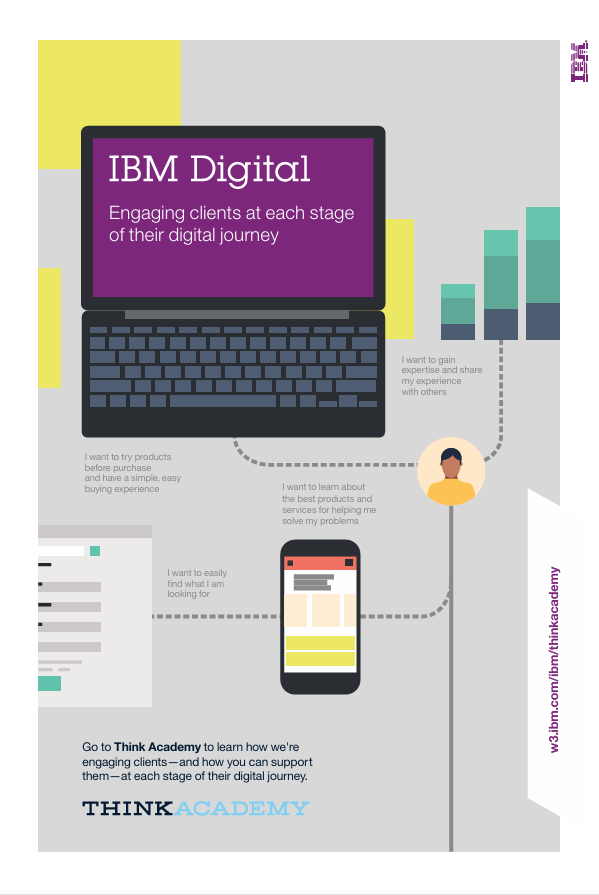
IBM Think Academy
Promotional poster for ibm.com
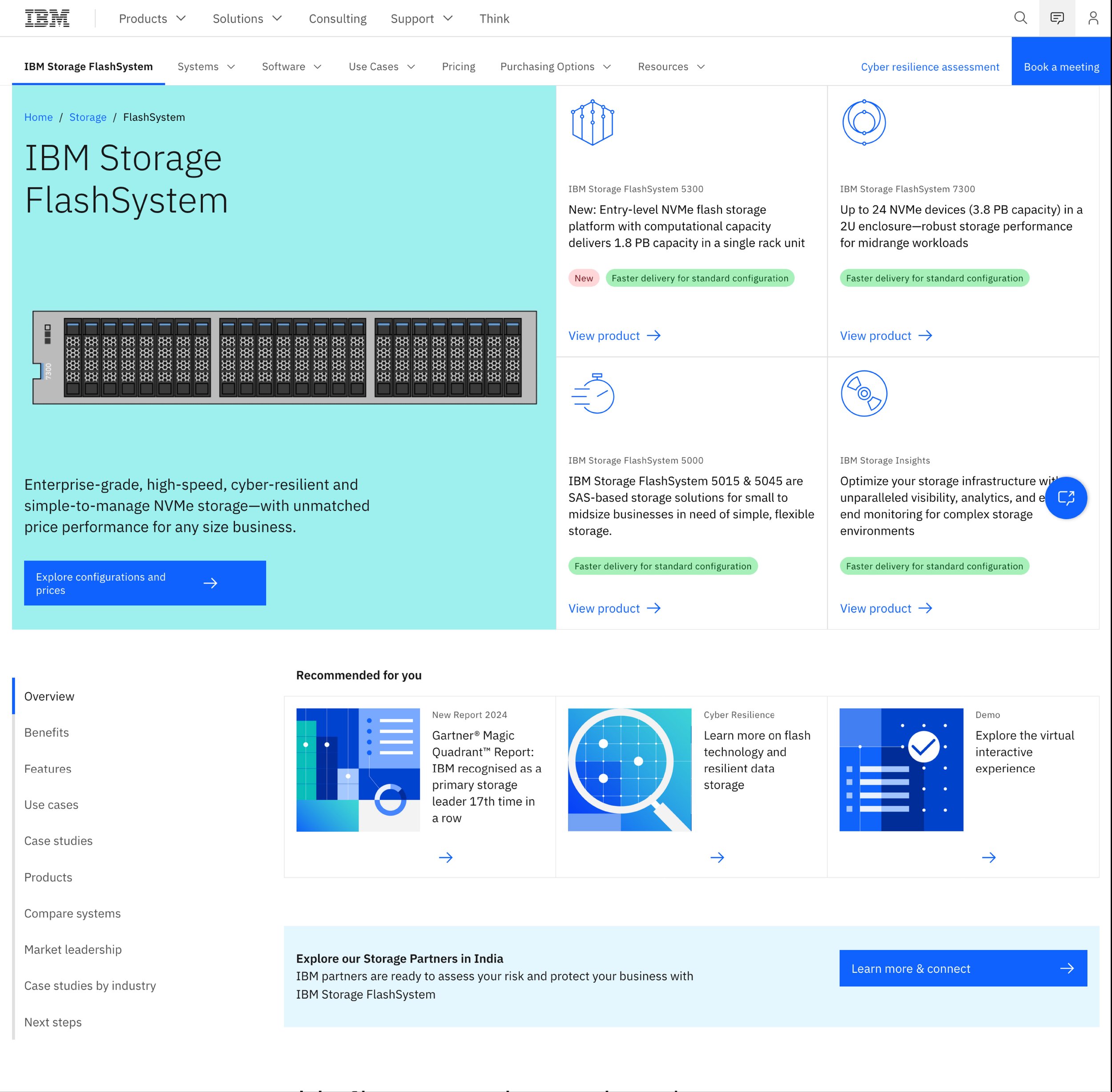
IBM FlashSystem Storage Website redesign
Updated a large-scale, targeted web
experience for prospective FlashSystem clients
in India, informed by market insights, competitive analysis, and a deep understanding of customer business priorities. Developed a localized digital experience designed to increase relevance, engagement, and consideration within a rapidly growing strategic market.
RESULT:
Delivered significantly stronger audience engagement than the worldwide experience, achieving 19% higher overall engagement across organic, paid, and social channels. Paid media campaigns driving traffic to the new experience generated 20-50% higher engagement rates across social, programmatic, and paid
marketing initiatives.
IBM Watson Branding and Identity design
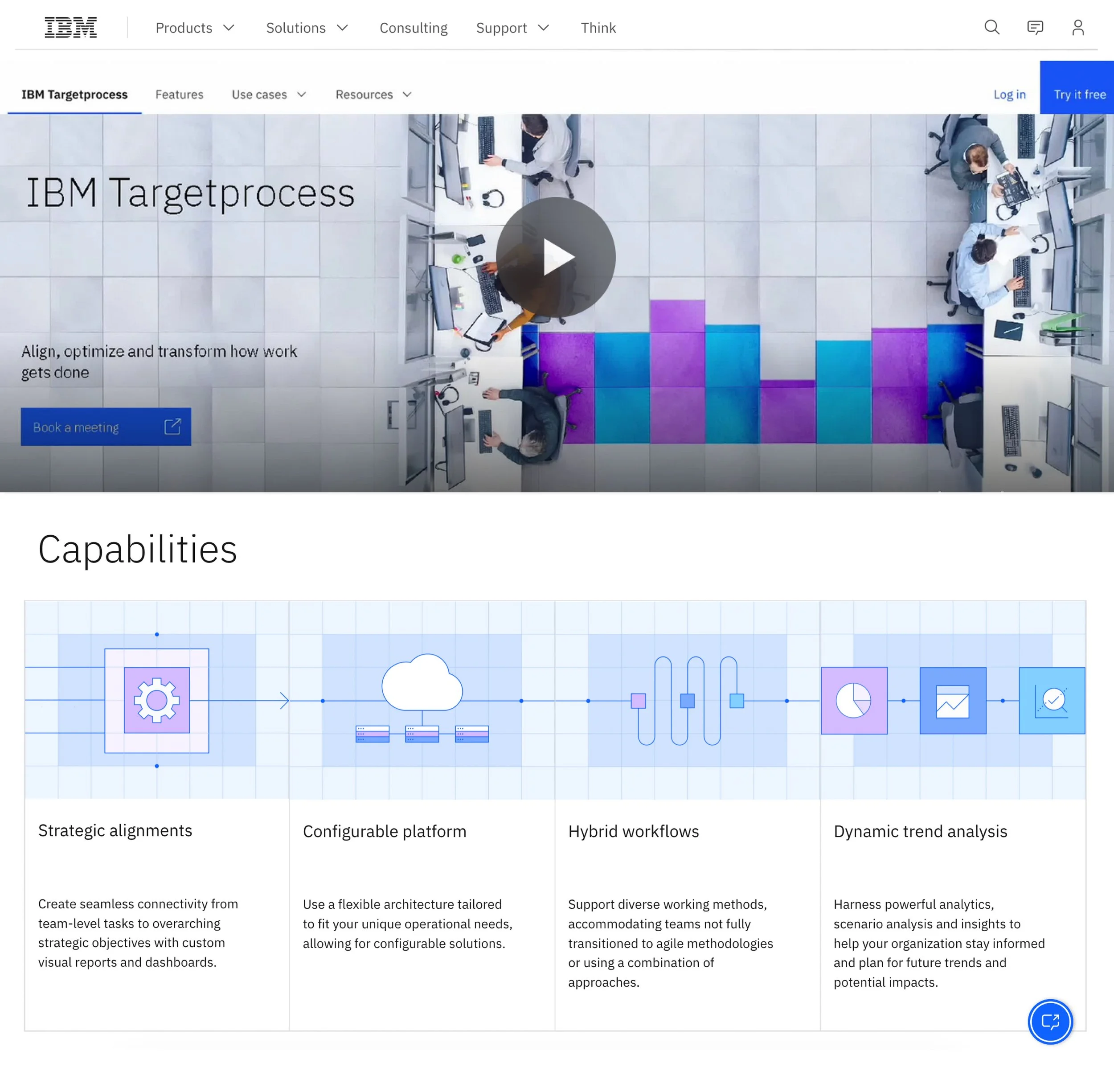
IBM Targetprocess website design

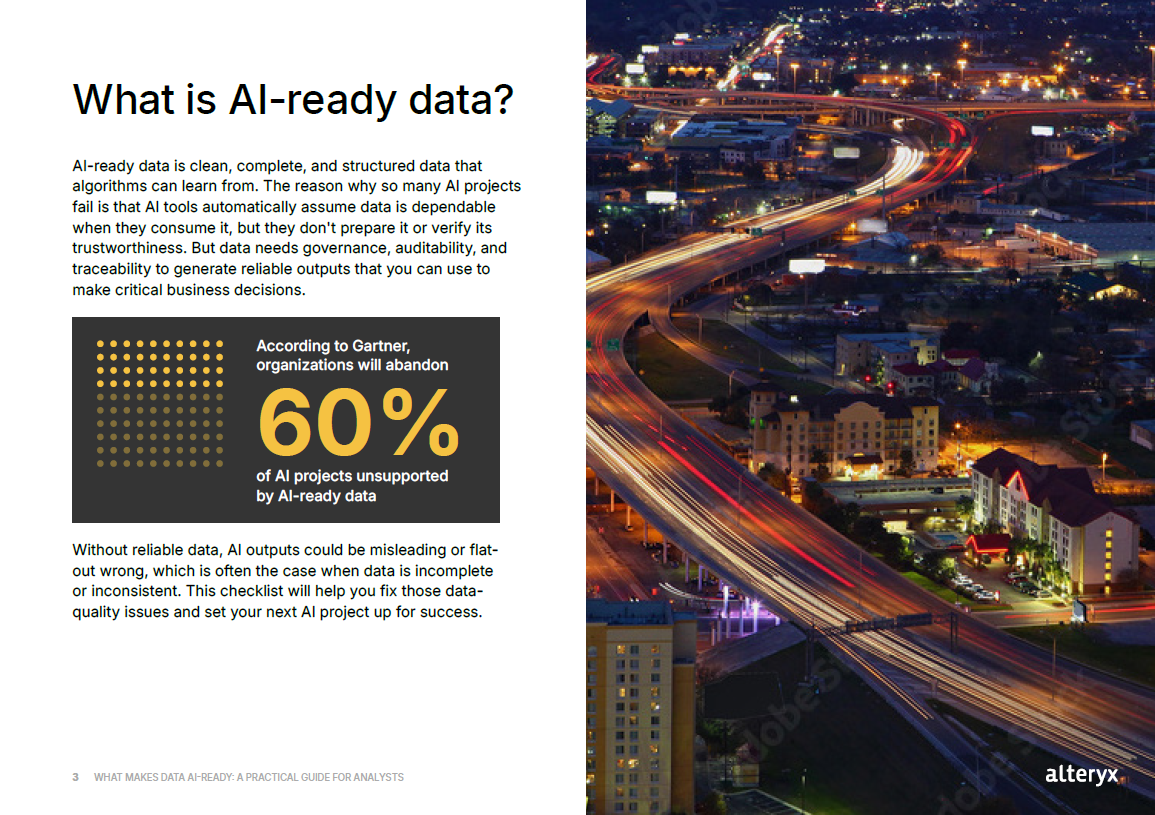
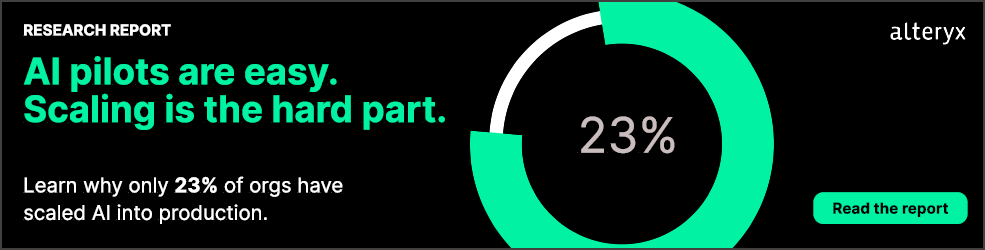
Alteryx AI
E-BOOK web collateral
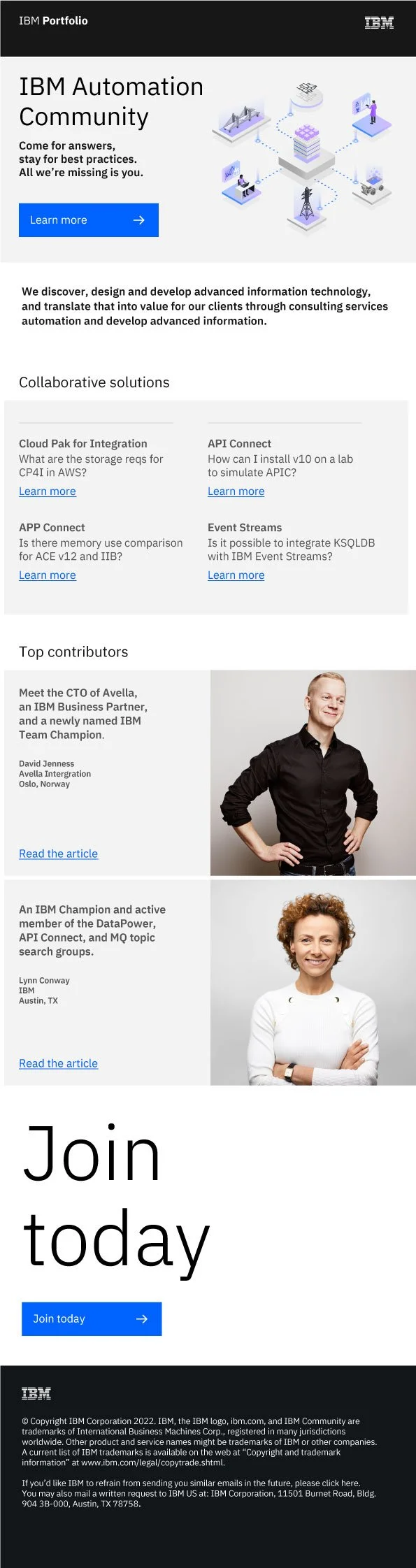
IBM
Internal Newsetter

Alteryx AI
AI web banners

Alteryx AI
Analytics AI web banner
Creating Meaningful Experiences Through UX/UI Design
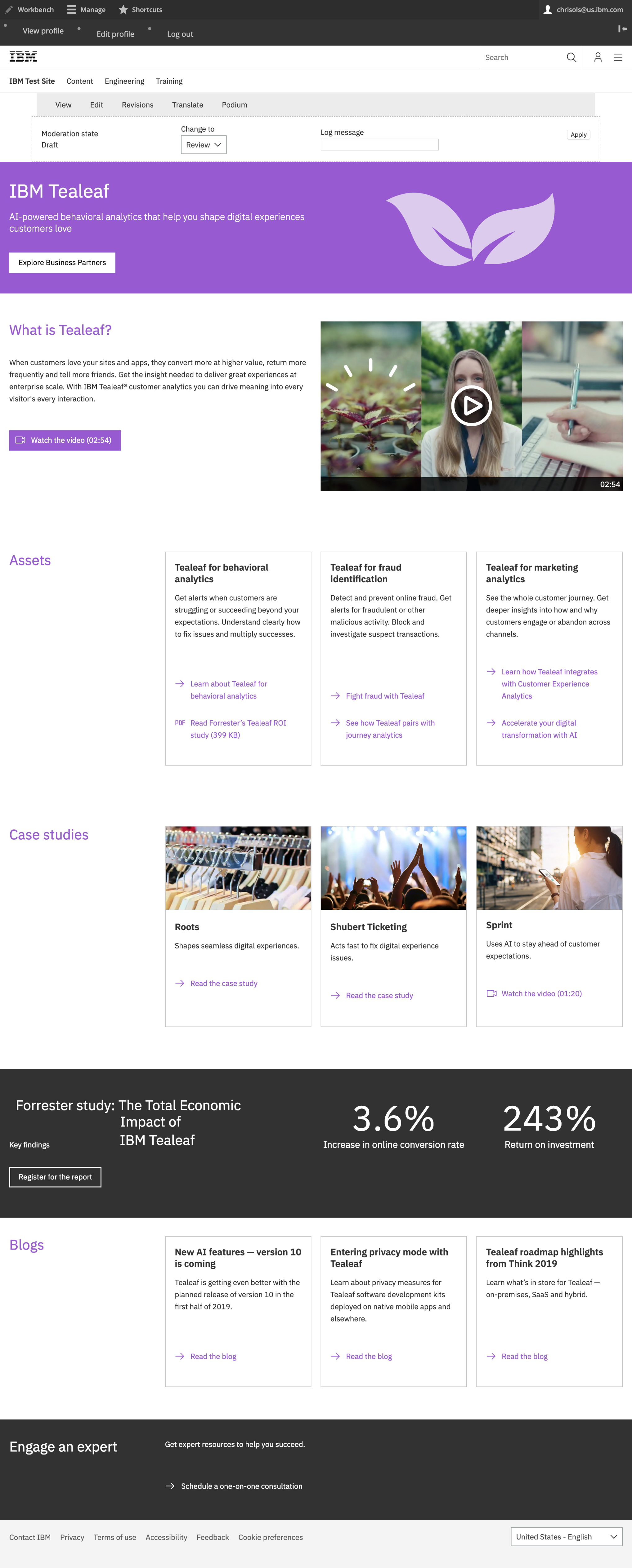
IBM Tealeaf design
Background
IBM Tealeaf was a customer experience analytics platform that provided deep visibility into web and mobile interactions. By capturing, analyzing, and replaying customer sessions, the platform enabled organizations to identify usability issues, diagnose transaction failures, and understand how digital experiences impacted business performance.
Following IBM's acquisition of Tealeaf, the SaaS-based solution was integrated into the IBM Customer Experience Analytics portfolio, combining session replay capabilities with web analytics and multi-channel customer journey insights.
Challenge
The primary challenge was translating a highly technical analytics platform into a compelling digital experience that clearly communicated Tealeaf's value proposition to prospective customers. Users needed to quickly understand how the platform uncovered customer pain points, improved digital experiences, and reduced revenue loss caused by transaction failures.
Our goal was to create an engaging, intuitive web experience that simplified complex concepts while showcasing the real-world impact of the solution.
Approach
Through stakeholder collaboration and content analysis, we identified video as the most effective medium for demonstrating Tealeaf's capabilities. We redesigned the experience to make video storytelling the focal point of the page, providing an immediate and engaging introduction to the platform's session replay and customer experience analytics features.
From a UX perspective, we prioritized:
Clear content hierarchy to surface key product benefits quickly
Visual storytelling to simplify complex technical concepts
User-focused messaging that connected platform features to business outcomes
Strategic placement of supporting content to encourage deeper exploration
To further strengthen credibility and drive engagement, we developed a dedicated Assets section. Researching and curating real-world implementation examples allowed us to demonstrate measurable results achieved by enterprise clients. This content became a critical component of the user journey, helping prospects envision how Tealeaf could solve similar challenges within their own organizations.
Results
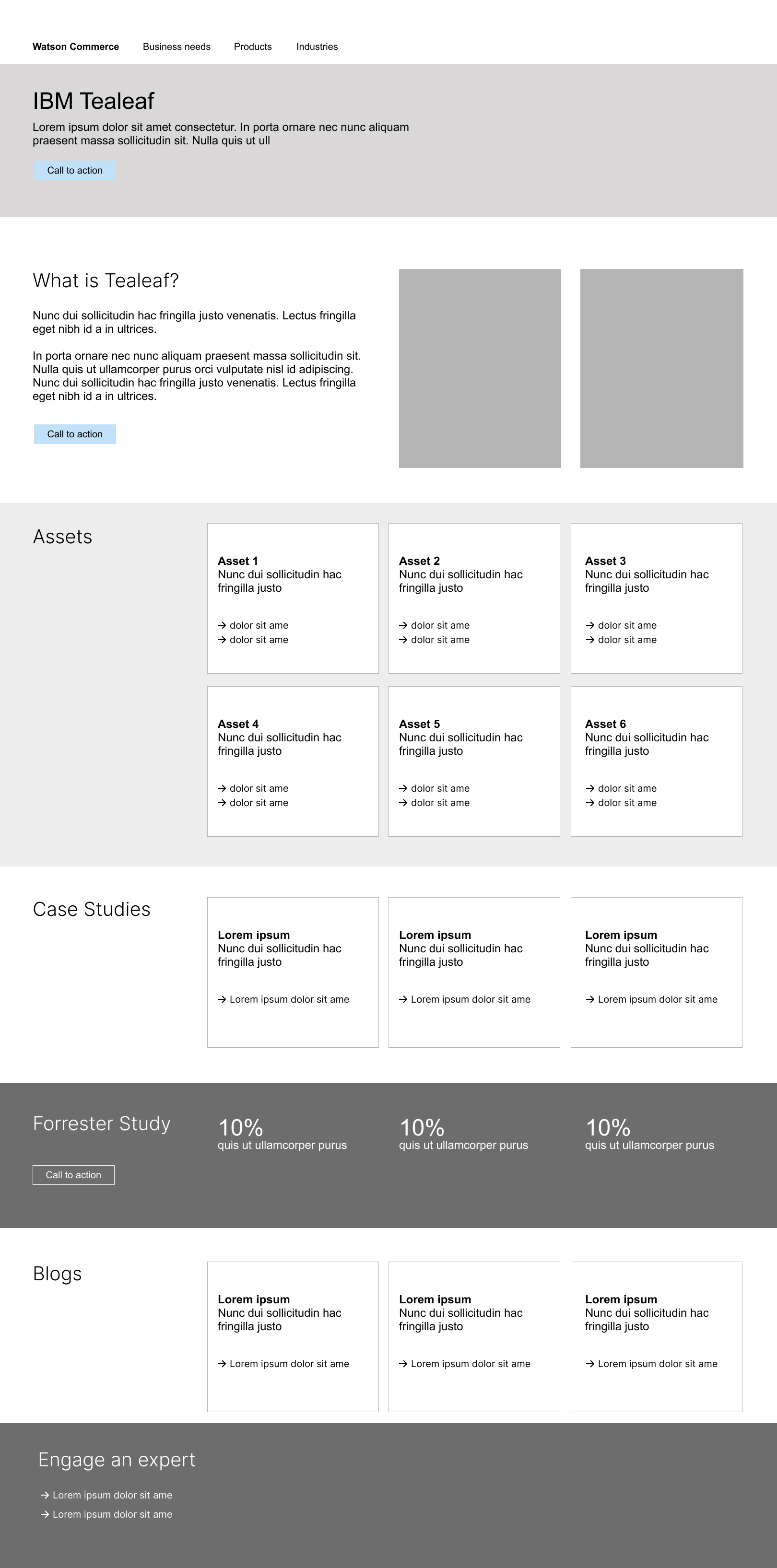
Created early prototype wireframe to final design.
The redesigned experience successfully increased audience engagement by combining rich media, customer storytelling, and improved content structure. The Assets section emerged as the highest-performing area of the site, validating the importance of social proof and outcome-driven content.
Impact:
Achieved 14% higher overall engagement compared to the worldwide experience.
Increased user interaction with featured content and product education assets.
Assets stories became the most engaged section of the experience.
Improved understanding of Tealeaf's value through video-led storytelling and UX-driven content organization.
Key UX/UI Contributions
Stakeholder Collaboration
Prototype
Visual design
Customer Journey Optimization
Video-First Experience Design
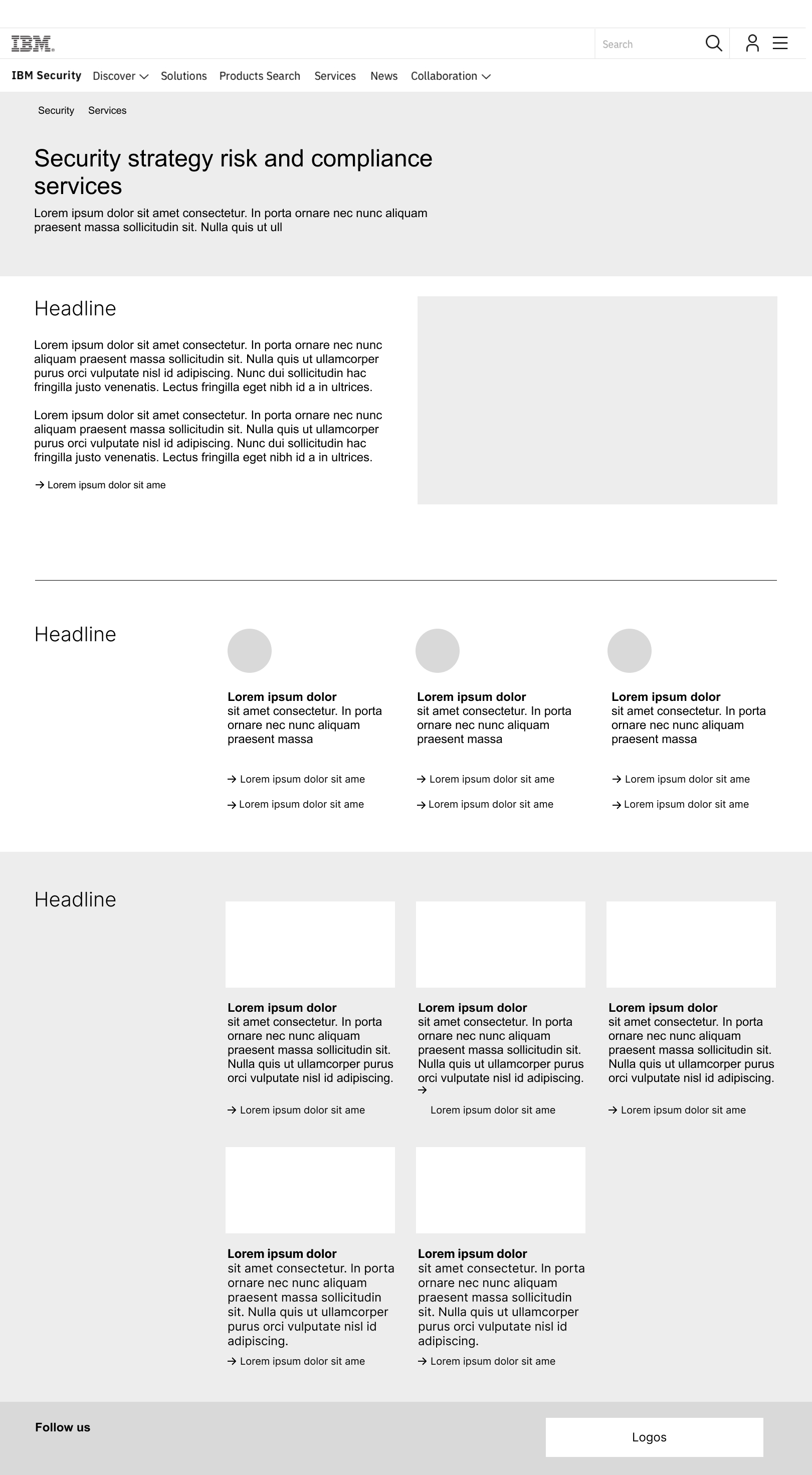
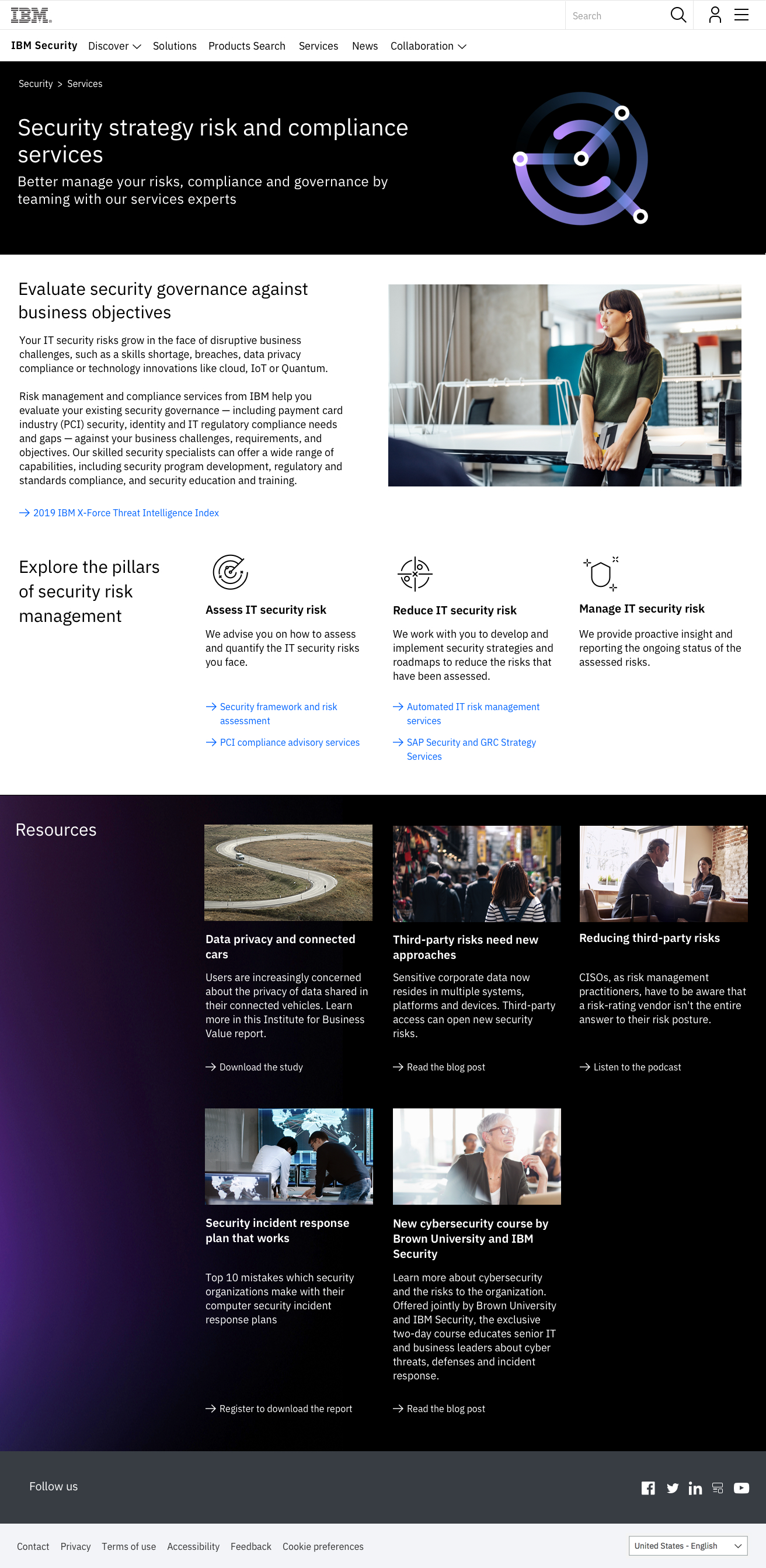
IBM Security page design
Background
IBM Security Risk Management helps organizations evaluate security governance against business objectives while addressing challenges such as skills shortages,
data privacy compliance, cybersecurity breaches, and emerging technology risks.
The platform enables businesses to identify vulnerabilities, strengthen governance frameworks, and make informed security decisions that align with organizational goals.
Challenge
The challenge was to communicate a broad and complex security portfolio in a way that was easy for users to understand and navigate. Visitors needed to quickly identify solutions relevant to their specific security concerns while understanding how IBM Security could help mitigate risk, improve compliance, and support business innovation.
Our goal was to create a streamlined digital experience that simplified complex information and guided users toward the resources most relevant to their needs.
Approach
We designed the experience with a clean and intuitive interface that prioritized clarity, scannability, and ease of navigation. The content strategy centered around the three core pillars of Security Risk Management, creating a clear information hierarchy that helped users quickly understand the relationship between security governance and business outcomes.
From a UX perspective, we focused on:
Simplifying complex security concepts through clear content organization
Creating intuitive navigation pathways to support task-based user journeys
Highlighting key links and calls-to-action to help users find relevant solutions quickly
Improving content discoverability through strategic page structure and visual hierarchy
To further build credibility and encourage deeper engagement, we introduced a dedicated Resources section featuring customer success stories, podcasts, blog articles, and case studies. This curated content provided real-world examples of how organizations successfully leveraged IBM Security solutions to address business and technology challenges.
Results
Created early prototype wireframe to final design.
The redesigned experience delivered strong engagement metrics by providing users with a focused, content-rich journey tailored to their interests and objectives. The Resources section became a key destination for visitors seeking additional insights and validation through customer success stories and thought leadership content.
Impact:
Achieved a low bounce rate, indicating visitors remained engaged rather than leaving immediately.
Generated healthy time-on-page metrics, demonstrating sustained interest in the content experience.
Increased scroll depth, showing users actively explored the page and supporting resources.
Improved content discoverability through simplified navigation and user-centered information architecture.
Key UX/UI Contributions
UX Strategy
Information Architecture
Content Hierarchy & Messaging
User Journey Optimization
Navigation Design
Visual Design
Content Strategy
Resource Library Experience Design
Customer Story Integration
Stakeholder Collaboration